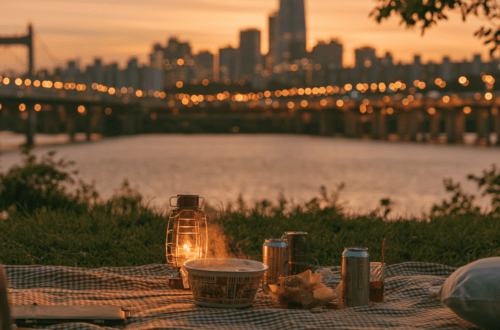

Navigating South Korea Without Breaking Local Customs: Essential Etiquette Rules for Travelers
Quick Navigation
- 1. The Reality of Tipping
- 2. Stepping Inside: Footwear Rules
- 3. Mastering the Stainless Steel Utensils
- 4. The Rice Bowl Taboo
- 5. Shared Pot and Communal Side Dish Etiquette
- 6. Silence and Space on Public Transit
- 7. Yielding Priority Seating
Landing in Incheon without a firm grasp of local customs is a recipe for awkward social encounters. You might find yourself chasing a confused barista down the street because they think you dropped your change, or accidentally offending a restaurant owner by marching past the entryway in muddy sneakers.
Cultural etiquette in South Korea relies on a set of deeply ingrained habits that rarely make it into glossy travel brochures. To help you blend in and navigate your trip with confidence, let’s break down the unwritten rules every visitor needs to understand.
Quick Summary
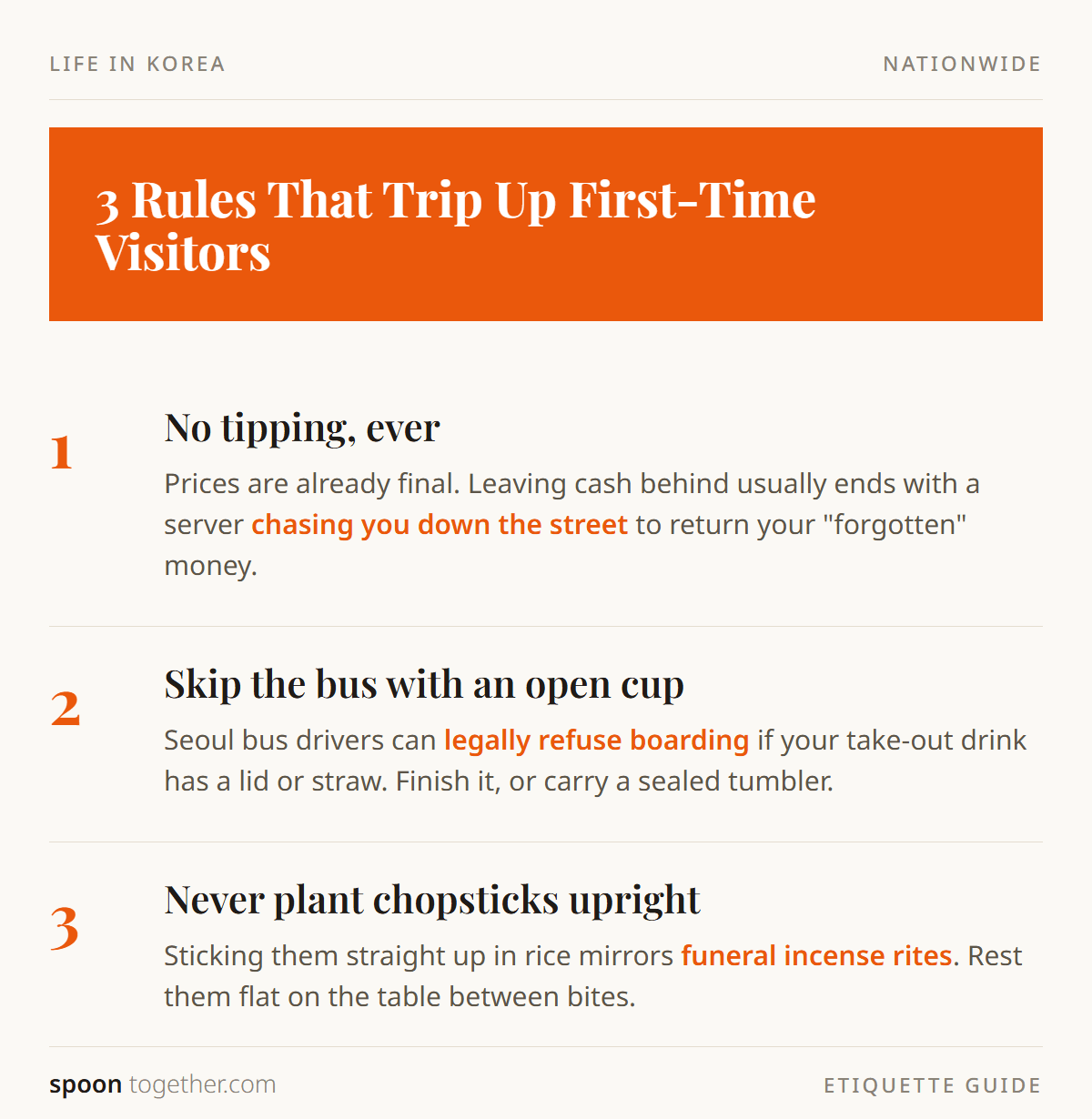
- Tipping is completely absent in South Korea; prices shown on menus and tags are final and already tax-inclusive.
- You must remove your outdoor shoes when stepping onto raised indoor floors, traditional guesthouses, or sit-down dining areas.
- Korean dining involves specific utensil habits, including understanding why Korean chopsticks are flat and metal, and strictly avoiding vertical rice placement.
💡 Tip: Observe what locals are doing at doorways and restaurant tables before taking your next step or placing your utensils down.
⚠️ Common Mistake: Leaving cash tips on tables or leaving your outdoor sneakers on when stepping onto raised wooden indoor platforms.
✅ Do This Instead: Pay exact listed menu prices and always look for shoe racks or designated entry steps.

1. The Reality of Tipping
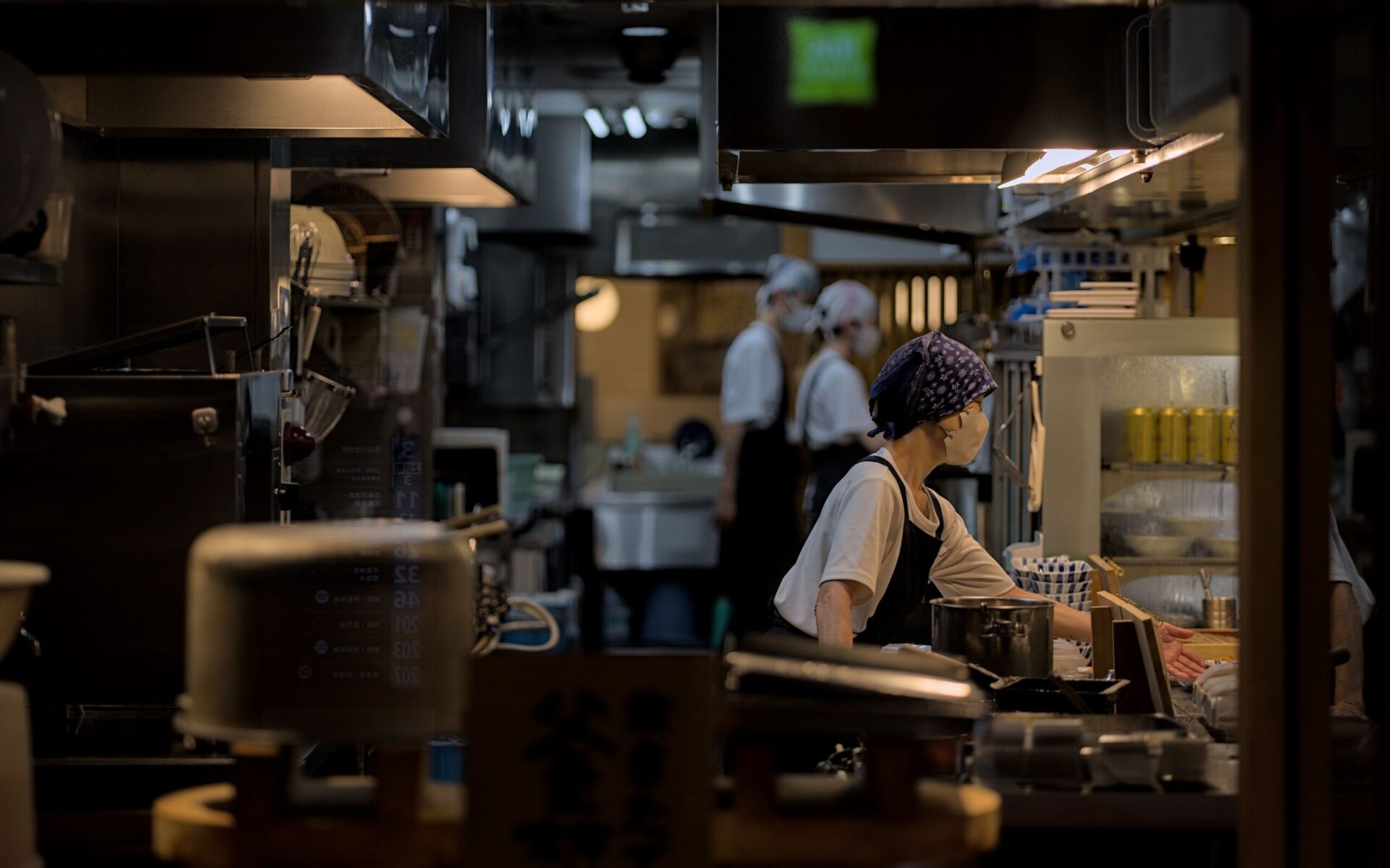
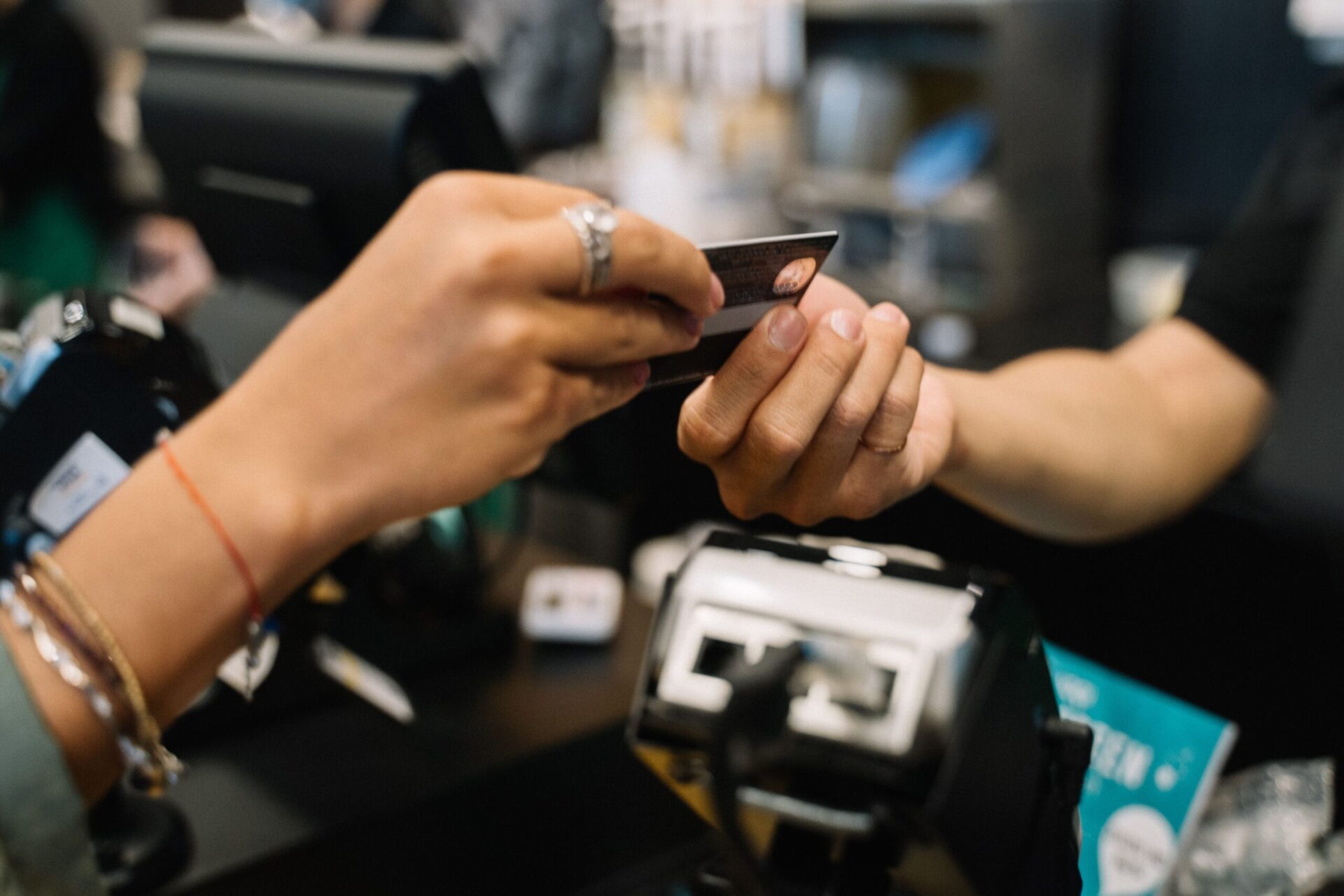
If you are wondering do you tip in korea, the short answer is a definitive no. Service workers do not expect extra money, and leaving cash behind on a table or handing an extra 5,000 KRW bill to a cafe barista will usually result in them looking genuinely puzzled—or running after you to return the “forgotten” money. Prices are final, and hospitality is simply treated as a standard part of the business transaction.
2. Stepping Inside: Footwear Rules
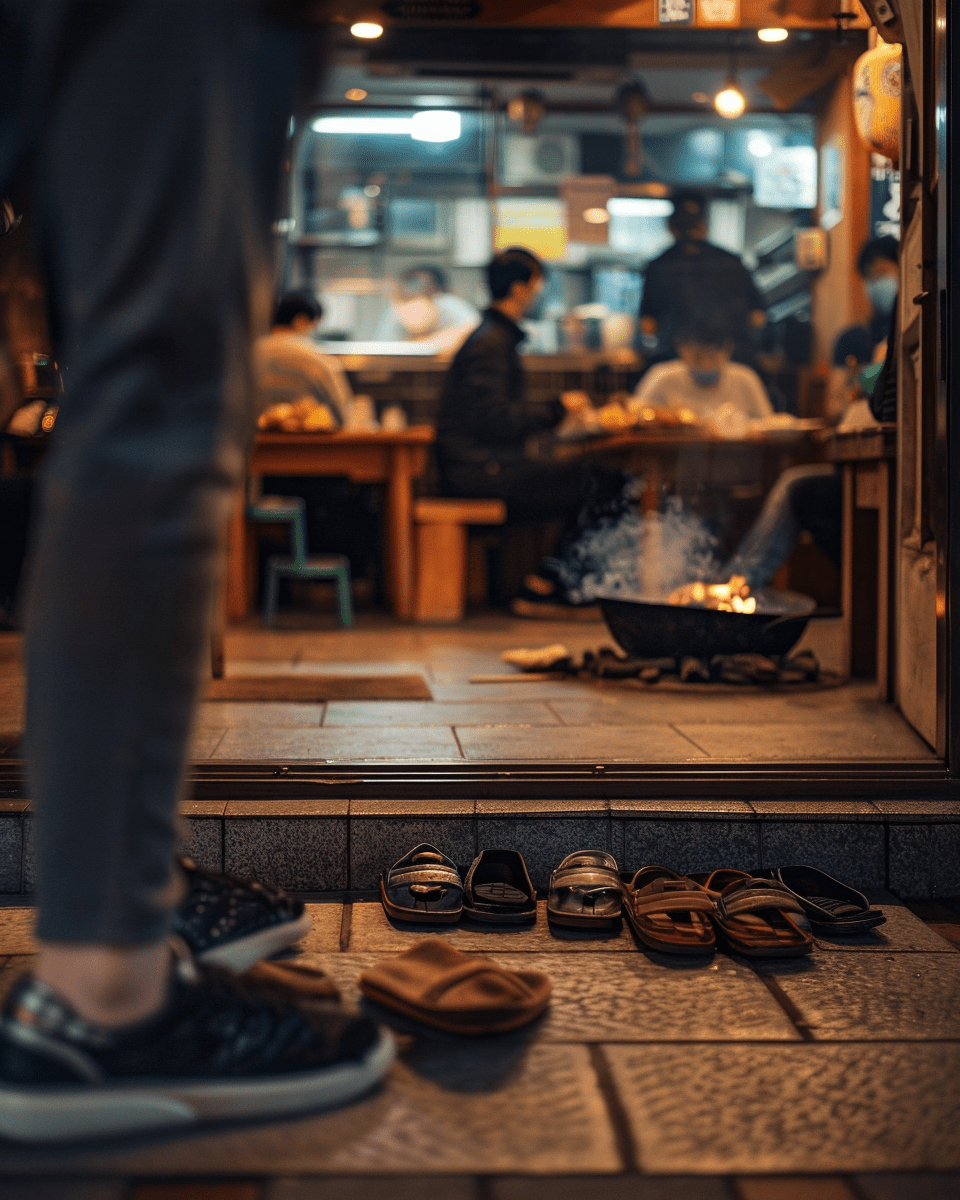
Asking yourself should I take shoes off in korean restaurants comes down to scanning the floor plan. Outdoor shoes track urban street grime onto clean surfaces, making footwear removal a primary hygienic boundary. If you march past a raised wooden platform (*maru*) or spot a cluster of shoes neatly lined up facing outward near the door, take your shoes off immediately. Walking into a traditional *galbi* house with your sneakers on will instantly draw sharp, disapproving looks from the staff.
3. Mastering the Stainless Steel Utensils
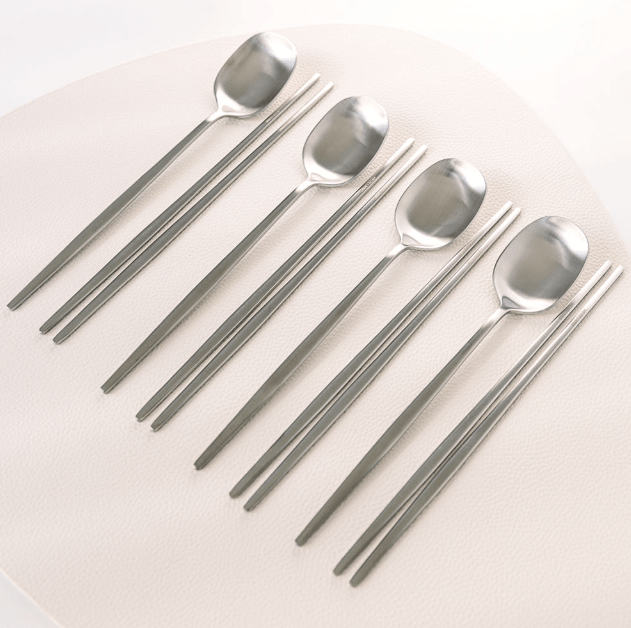
First-timers often ask why are korean chopsticks flat and metal when their fingers start cramping over a plate of slippery noodles. Historically, silver utensils were used by royalty to detect poison (which reacted and changed color), while modern stainless steel versions evolved for durability and hygiene. Because they are flat, smooth, and lack the friction of wooden chopsticks, gripping slippery bean sprouts or heavy clumps of noodles takes a bit of deliberate practice.
4. The Rice Bowl Taboo
Never stick your chopsticks straight up into your food. Sticking utensils vertically into a fresh bowl of white rice mimics incense burning at ancestral memorial rites and funerals. When you pause to take a sip of water or chat with your tablemates, lay your metal chopsticks flat on the table or across a napkin to maintain polite table manners. One more habit worth dropping: unlike in Japan or China, Koreans never lift the rice bowl off the table to eat from it — leave it resting flat and bring the spoon to your mouth instead.
5. Shared Pot and Communal Side Dish Etiquette
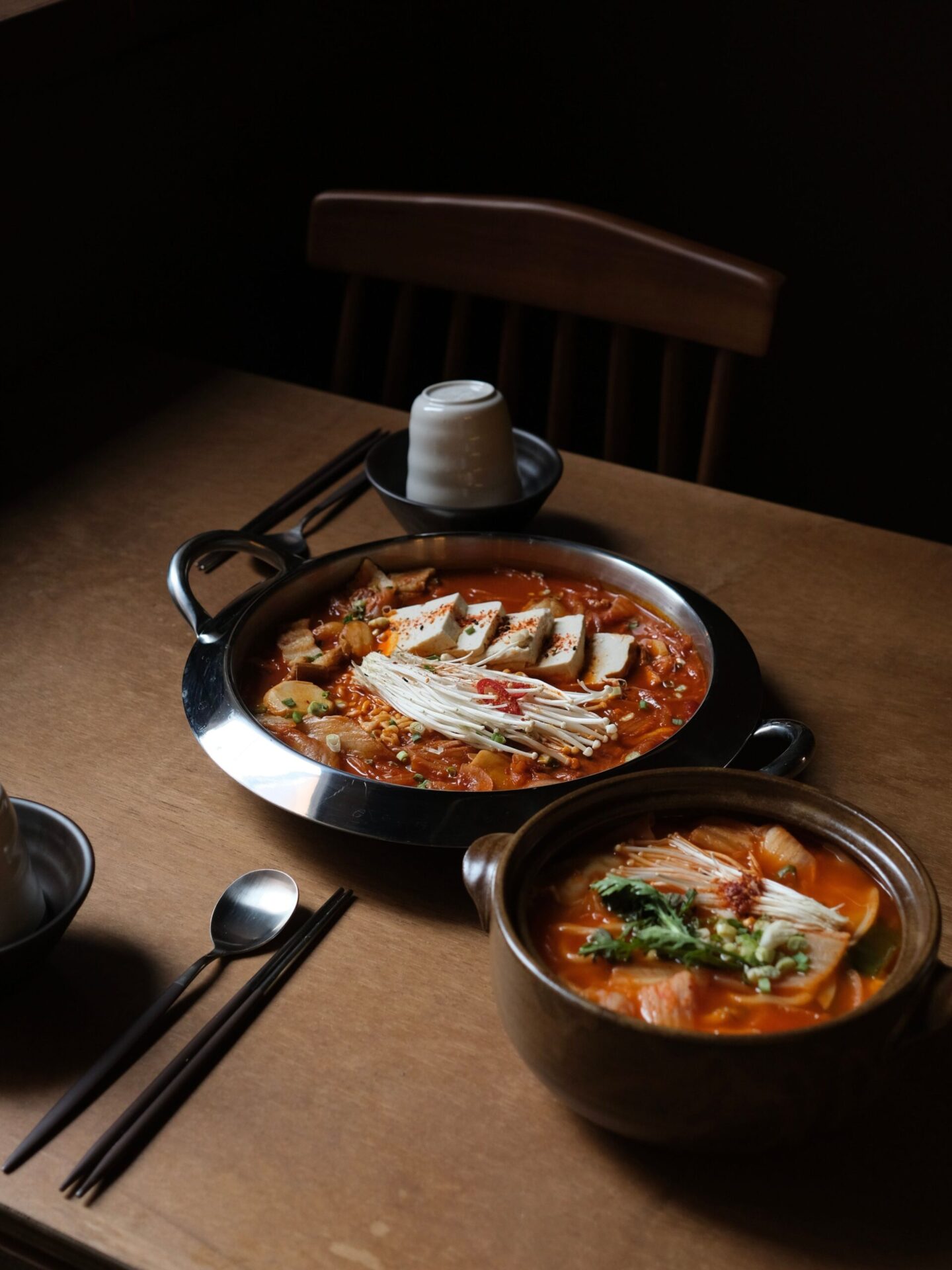
Meals here are deeply communal. Traditional tables feature a central, bubbling thick stew (*jjigae*) or dozens of small side dishes (*banchan*) meant for everyone to share. While reaching across the table for a bite of kimchi is totally normal, avoid digging straight into a shared stew with the exact chopsticks you’ve been putting directly into your mouth. Use a separate serving spoon if provided, or flip your chopsticks around to use the clean, back end for communal portions.
6. Silence and Space on Public Transit
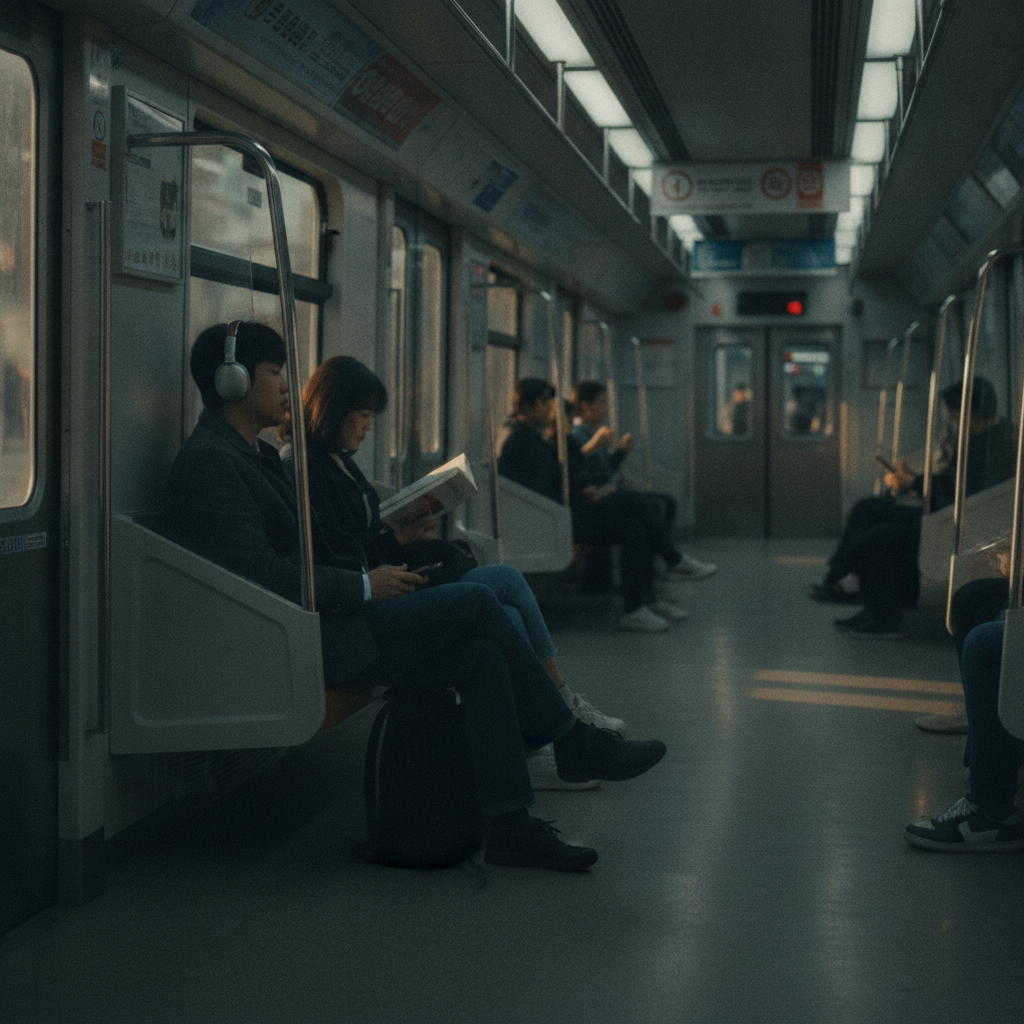
Seoul’s subways and buses are marvels of efficiency, but they double as quiet public spaces. Taking a loud phone call or watching videos at high volume without earphones is heavily judged by local commuters. Keep your audio low and your conversations muted to match the calm atmosphere of the carriage. One rule that trips up almost every first-time visitor: Seoul city buses can legally refuse boarding to anyone holding an open take-out cup with a lid or straw. Finish your iced americano before you board, or switch to a fully sealed tumbler.
7. Yielding Priority Seating
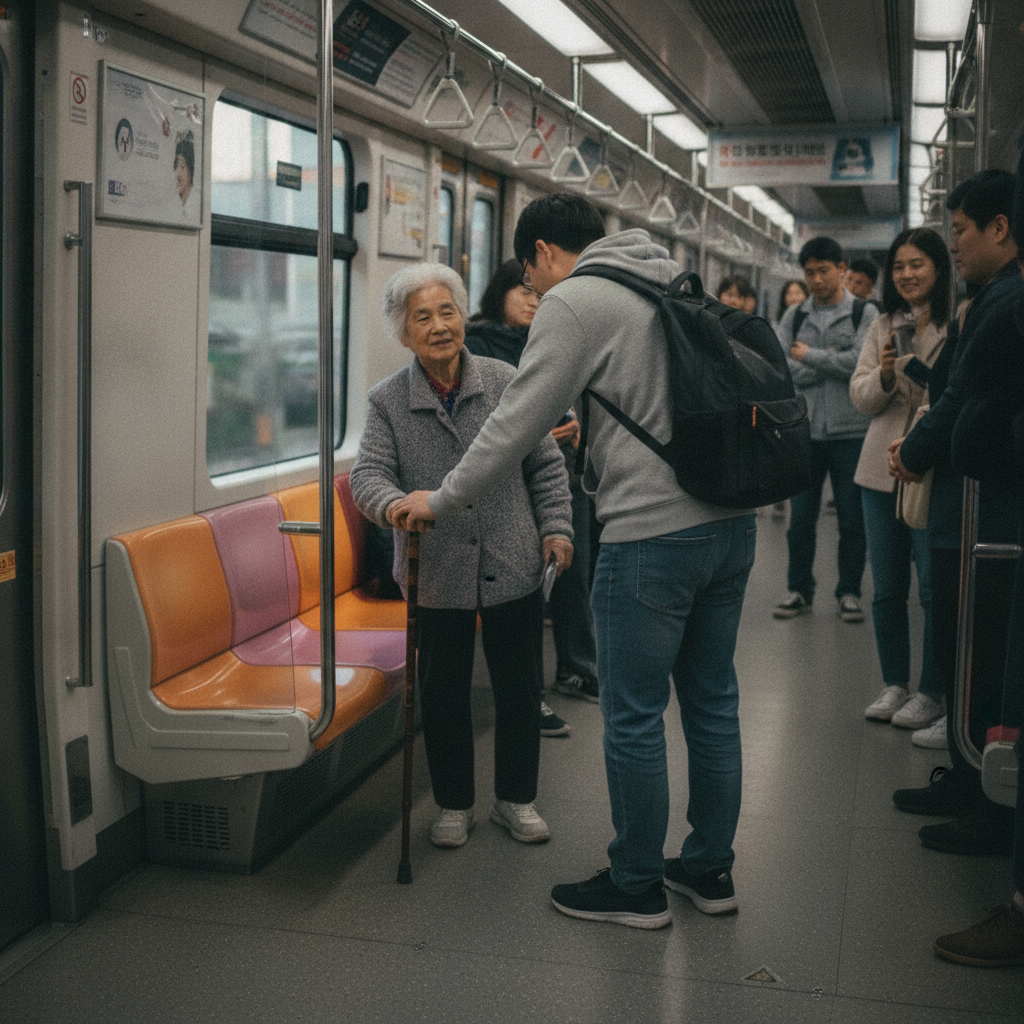
The empty seats at the ends of subway cars are not up for grabs just because your feet hurt. These designated priority zones are culturally protected for seniors, pregnant travelers, and individuals with physical impairments. Standing up immediately for an elderly passenger, even when the train is packed to capacity, is simply expected behavior.
| Feature | Local Custom / Rule | Recommended Traveler Action |
|---|---|---|
| Tipping | Not practiced or expected | Pay exact menu price |
| Footwear | Removed at raised indoor entryways | Take off shoes where floor is elevated |
| Dining Utensils | Metal, flat chopsticks; no vertical placement | Rest chopsticks flat on the table |
| Public Transport | Quiet environment, strict priority seating | Keep audio low and yield seats to seniors |
Discover more from spoontogether
Subscribe to get the latest posts sent to your email.


You May Also Like
How to Order K-Food Delivery in Seoul Without Speaking Korean or Crying Over Rejected Foreign Cards
What to Do When You Fall Sick in South Korea As a Foreign Traveler