

Beyond the Map: 7 Essential Local Rules Every First-Timer Needs to Survive Seoul
Quick Navigation TOC
- 1. The Endless Labyrinth of Seoul Subway Transfer Tunnels
- 2. Beware the Hidden Extra Fares on Shinbundang Line & AREX
- 3. Waving Down a Taxi is Dead: The Rise of KakaoT and App-Only Dispatch
- 4. ‘Stand on Both Sides’: The End of the Old Escalator Walking Rule
- 5. The No-Cash Revolution and the Dominance of Kiosks
- 6. Decoding Seoul’s Subtle, Earthy Broths (Pyeongyang Naengmyeon & Gukbap)
- 7. Never Skip the ‘Alighting Tag’ (Bus-to-Subway Transfers)
Navigating a high-speed, dazzling metropolis like South Korea’s capital for the very first time can be an exhilarating sensory overload. But beneath the neon lights, K-pop-fueled streets, and sprawling skyscrapers lies a deeply intricate urban ecosystem. If you are coming from out of town—or visiting from abroad—relying solely on standard travel intuition won’t cut it.
To help you seamlessly bridge the gap between regional pacing and Seoul’s fast lane, here are 7 crucial local survival insights designed to steer you clear of rookie mistakes and help you navigate the city like a seasoned local.
Quick Summary Box
- Master the Maze: Seoul’s subway transfer tunnels and express lines require strategic planning to avoid massive walking distances and unexpected fare charges.
- Go Cashless & App-Ready: From ubiquitous kiosks to no-cash buses and taxi-hailing apps, digital payment tools are absolute necessities.
- Embrace Local Etiquette: From escalator safety rules to properly seasoning Seoul’s subtle broth dishes, small habits make a big difference.
1. The Endless Labyrinth of Seoul Subway Transfer Tunnels
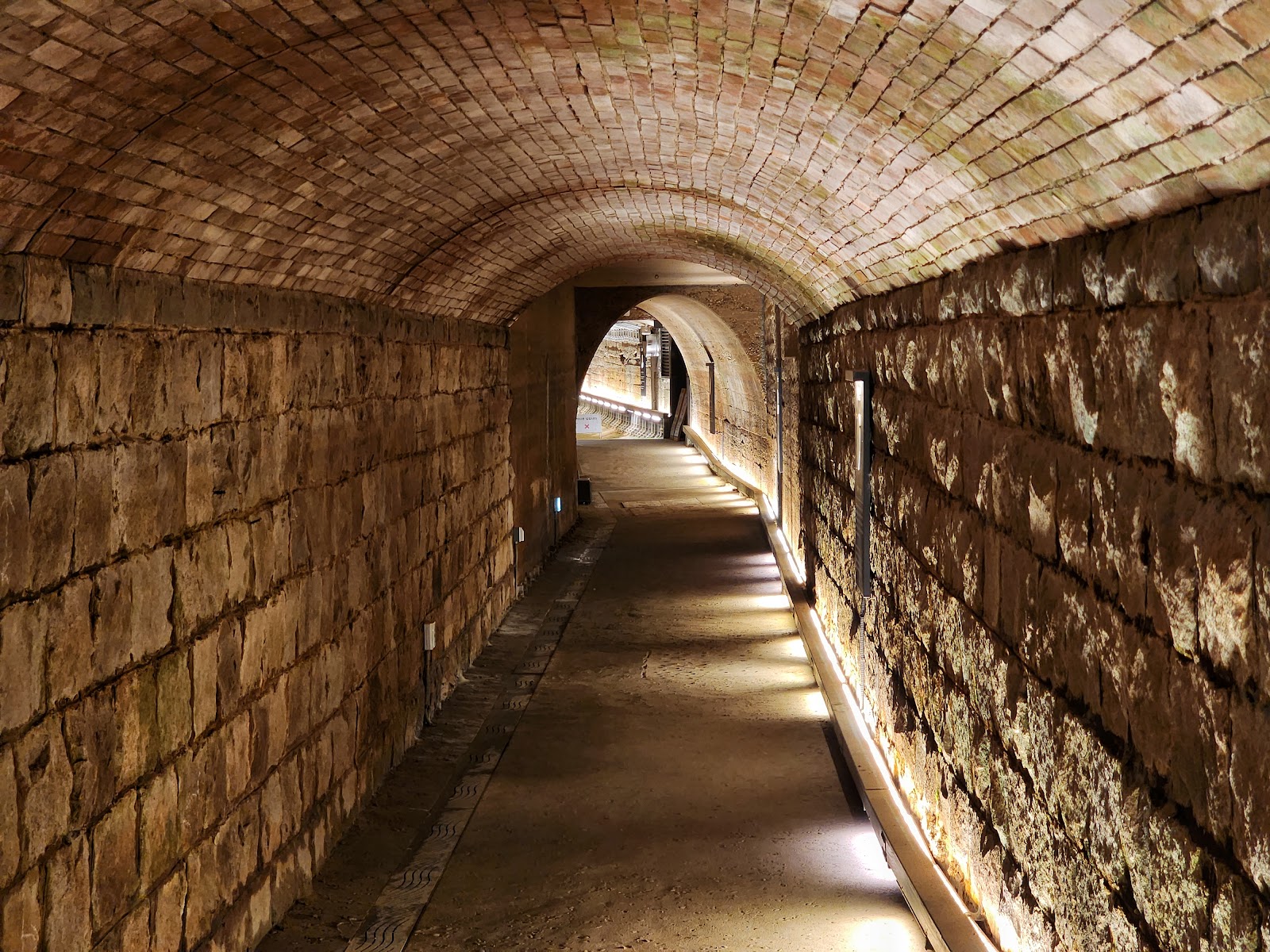
Photo: 자료실
Unlike spacious, single-level regional train stations, transferring in Seoul can easily mean a grueling 3-to-10-minute underground hike through massive commercial underground complexes. Stations like Hongik University, Express Bus Terminal, Wangsimni, and Jamsil are notorious for this. Travelers often follow random exit signs only to find themselves blocks away from their actual destination.
💡 Tip: Use Naver Map or KakaoMap beforehand to check not just the exit number, but also the exact subway car boarding position for the fastest transfer (e.g., Car 4-2).
⚠️ Common Mistake: Following generic exit signs blindly without checking internal station maps, leading to unnecessary 10-minute subterranean walks.
✅ Do This Instead: Pre-check the optimal transfer carriage numbers on your navigation app before descending into the station.
2. Beware the Hidden Extra Fares on Shinbundang Line & Airport Railroad Express (AREX)
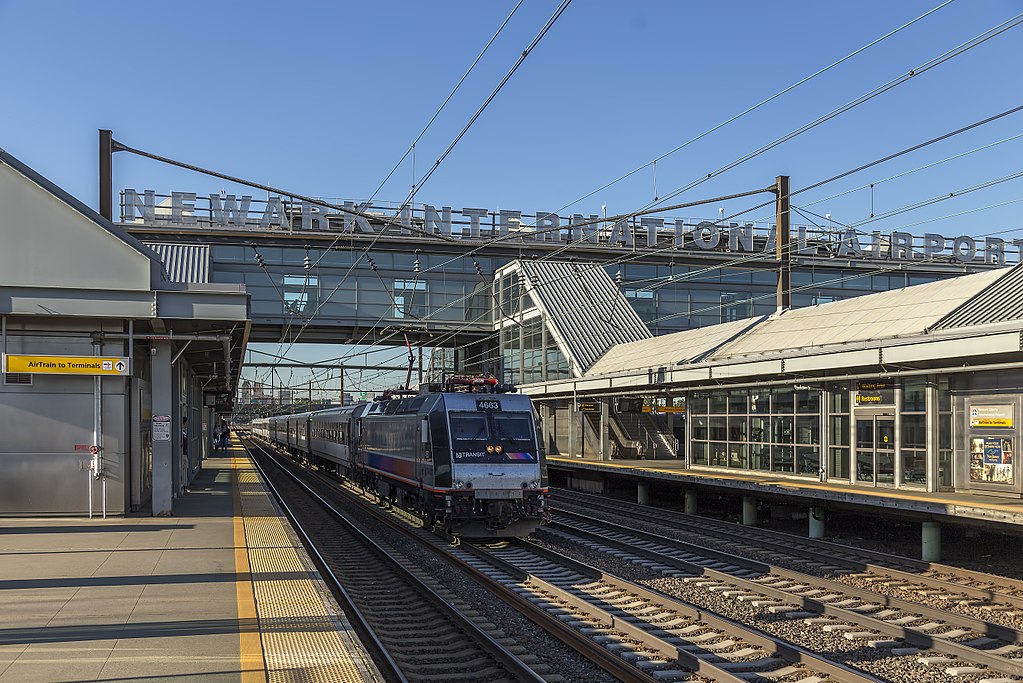
Photo: Stephan Grütering
Standard metropolitan transit fares don’t apply universally across all tracks. Private lines like the Shinbundang Line and the AREX Direct Train to Incheon Airport charge extra distance surcharges or require entirely separate tickets. Muffling a standard transit card at the express gates for the orange AREX Direct Train (instead of the blue All-Stop train) or riding the Shinbundang Line past Gangnam will result in unexpected extra charges or frustrating gate errors. Always double-check your platform and train type.
💡 Tip: Always look at the platform color codes and ticket gate information before passing through.
⚠️ Common Mistake: Boarding the non-stop AREX express train with a regular T-money card or ignoring distance-based surcharges on private subway lines.
✅ Do This Instead: Use the blue All-Stop AREX train for standard commuting, and budget extra funds on your transport card if utilizing the Shinbundang Line.
3. Waving Down a Taxi is Dead: The Rise of KakaoT and App-Only Dispatch
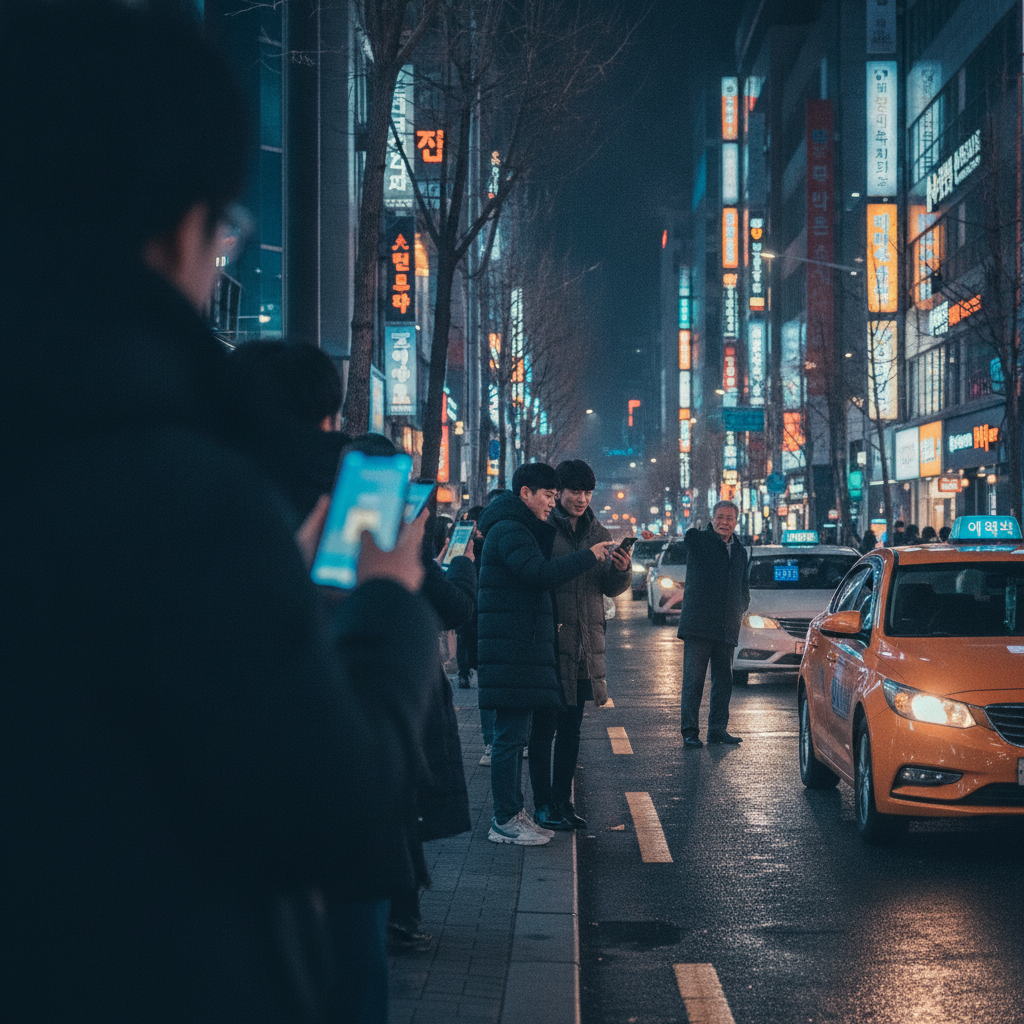
Trying to hail a taxi on the street during peak night hours in hotspots like Gangnam, Hongik University, or Itaewon is nearly impossible due to traditional refusals and app-exclusive operations. Standing on a freezing street corner waiting for a vacant cab will waste hours of your evening. Over 80% of nighttime rides in Seoul are secured via apps. Make sure to download KakaoT or UT (Uber) and register a credit card for auto-payment before your trip begins.
💡 Tip: Set up your mobile phone number verification and foreign credit card on KakaoT or UT while still at your hotel or home country.
⚠️ Common Mistake: Waiting by the roadside late at night expecting empty cabs to pull over.
✅ Do This Instead: Call a ride digitally through local dispatch applications to secure guaranteed transport.
4. ‘Stand on Both Sides’: The End of the Old Escalator Walking Rule
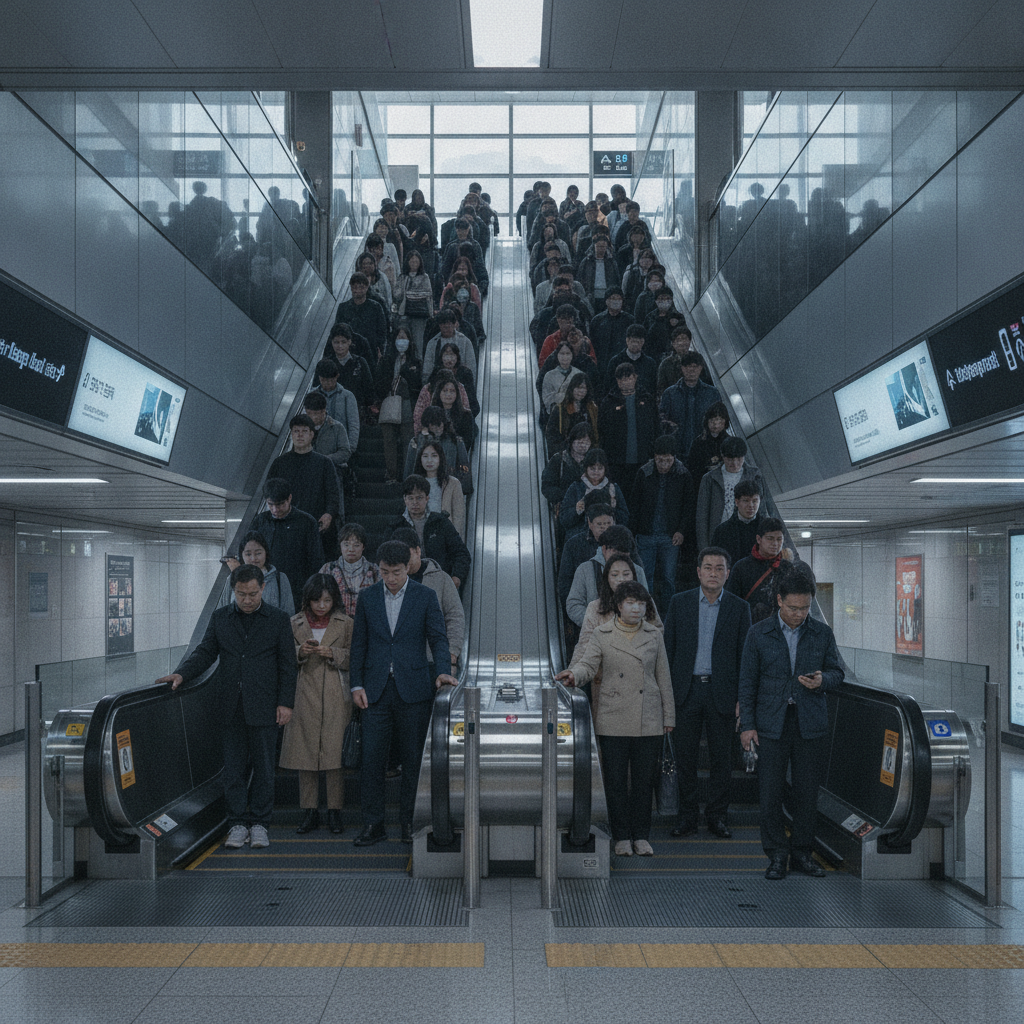
If you remember the old etiquette of standing on the right and leaving the left side open for walkers, wipe it from your memory. This habit has been officially discarded across Seoul’s subway system due to severe safety hazards. Standing strictly on the right while leaving the left lane empty will likely invite dirty looks, sighs, or automated warning announcements. Seoul’s official safety campaign mandates standing firmly on both sides of the escalator steps to prevent accidents.
💡 Tip: Plant your feet firmly on whichever side of the step you happen to step onto.
⚠️ Common Mistake: Rushing up the left side of an escalator or aggressively pushing past people standing on the right.
✅ Do This Instead: Stand still on either side and keep walkways safe and orderly.
5. The No-Cash Revolution and the Dominance of Kiosks
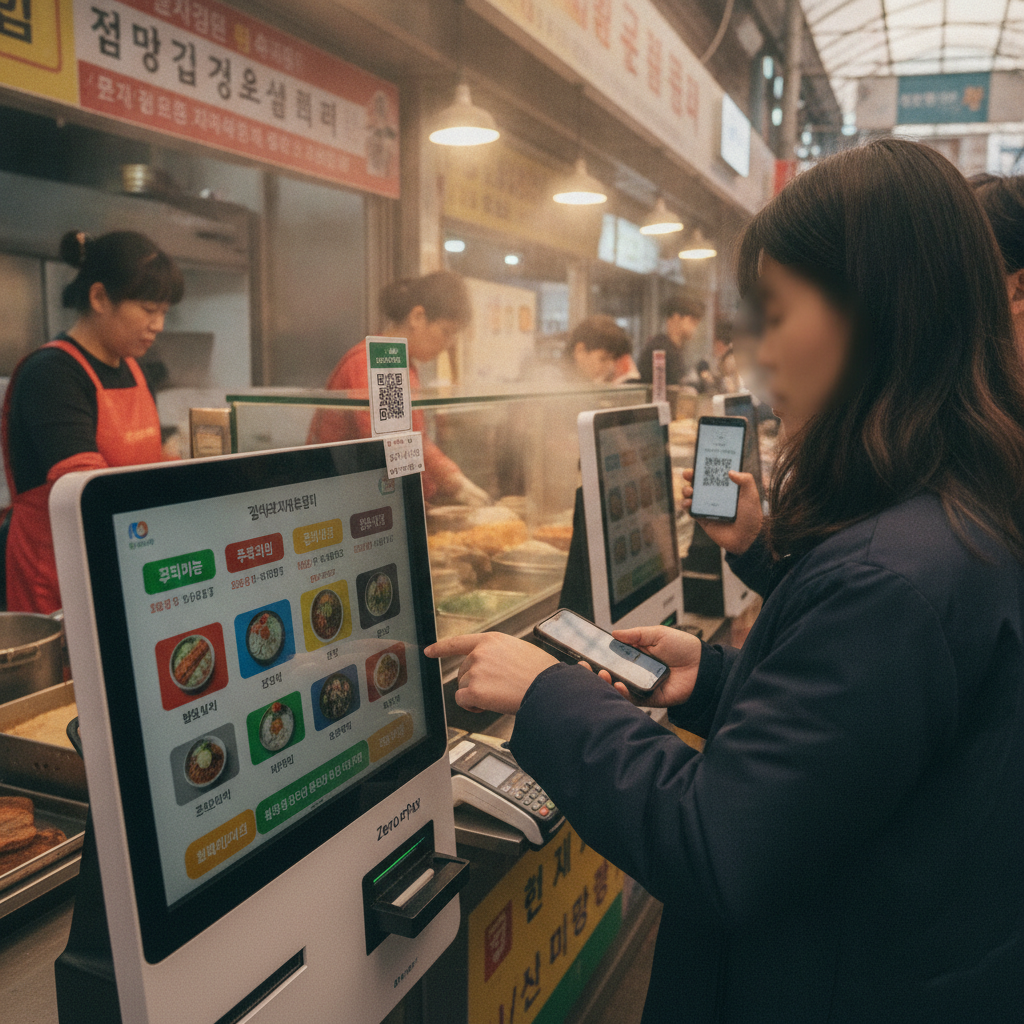
Cash is rapidly disappearing from daily life in Seoul. Most restaurants, cafes, convenience stores, and even street market stalls (like Gwangjang or Mangwon Market) now prefer or strictly require cards, mobile payments, or Zero Pay. Over 95% of casual eateries use touch-screen kiosks (muin kiosuku) for ordering, and many city buses have completely banned physical cash. Relying on paper bills rather than 1–2 reliable credit cards or mobile wallets will leave you stranded and hungry.
💡 Tip: Many touch kiosks feature an English language toggle button in the bottom right or top corner of the screen.
⚠️ Common Mistake: Attempting to pay for bus fare or restaurant orders with crumpled paper cash.
✅ Do This Instead: Keep a contactless credit card or loaded T-money card readily accessible at all times.
6. Don’t Panic: Decoding Seoul’s Subtle, Earthy Broths (Pyeongyang Naengmyeon & Gukbap)
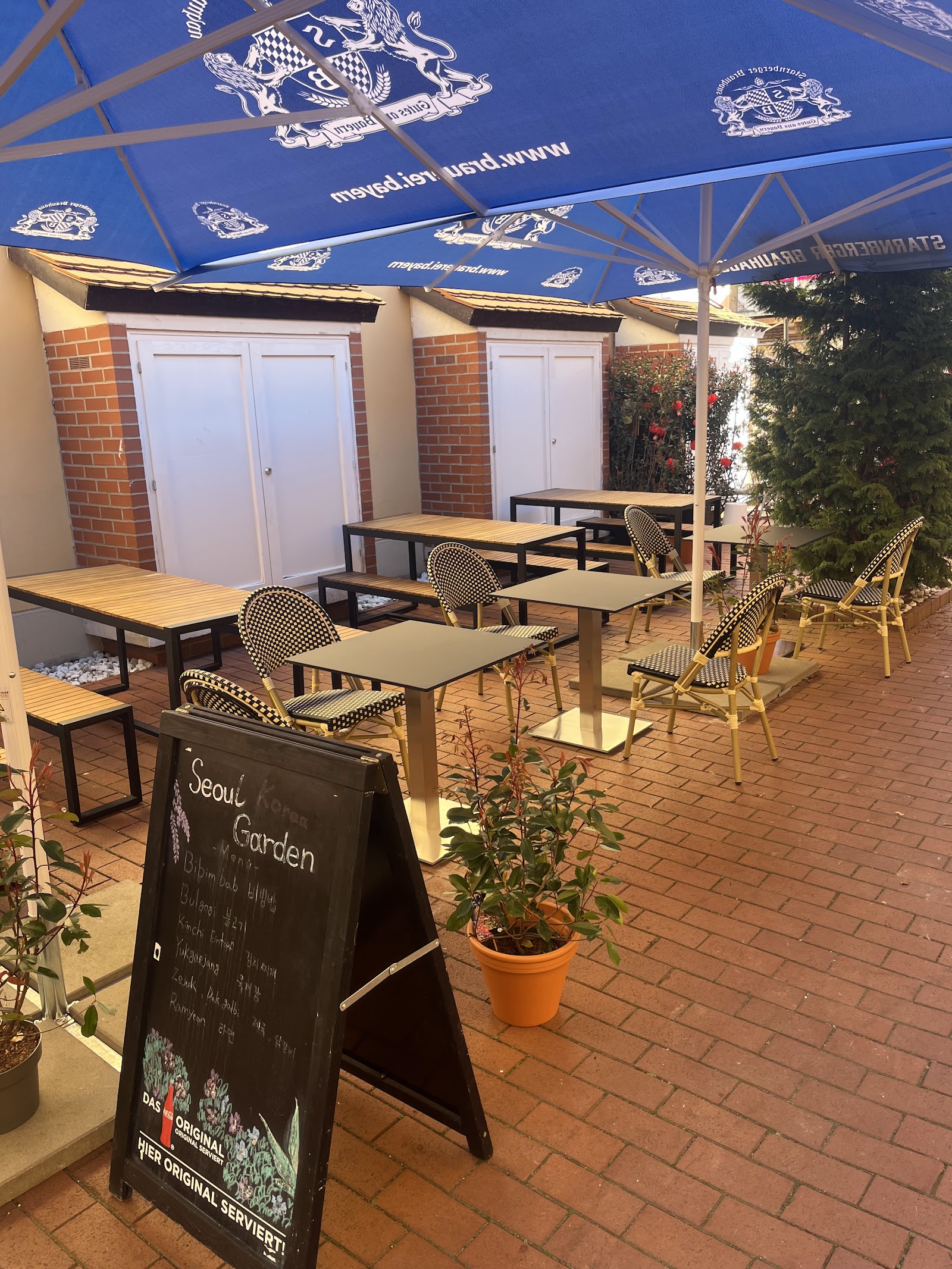
Photo: Seoul Garden
Travelers used to the bold, heavy seasoning of regional cuisines (such as Busan’s milmyeon or Jeollado stews) are often shocked when they first try Seoul’s famous Pyeongyang cold noodles (Pyeongyang Naengmyeon) or ox bone soup (seolleongtang). Seoul’s traditional northern-style broths lean heavily on subtle, ingredient-driven natural flavors rather than heavy salt or MSG. Assuming the food tastes like “plain water” and walking out is a classic rookie move. Locals use the table condiments—salt, pepper, vinegar, soy sauce, and spicy paste (daedagi)—to customize the flavor profile to their exact liking.
💡 Tip: Taste the broth plain first to appreciate the raw culinary base, then season progressively.
⚠️ Common Mistake: Dismissing authentic traditional dishes as flavorless before checking the condiment caddy.
✅ Do This Instead: Tailor the broth’s salinity and acidity with vinegar, mustard, and salt provided at the table.
7. Never Skip the ‘Alighting Tag’ (Bus-to-Subway Transfers)

Photo: 아삭
Failing to tap your card when exiting a city bus instantly voids the Metropolitan Transfer Discount, charging you full base fares on your next leg of the journey. While some regional rural buses don’t strictly enforce exit tags, Seoul and the greater metropolitan area operate on a strict distance-based transfer system. Always tap your card on the reader as you step off the bus to protect your travel budget from unexpected fare spikes.
💡 Tip: Listen for the green success chime or check the screen display as you tap off near the rear exit door.
⚠️ Common Mistake: Stepping off public buses without tapping your card against the exit terminal reader.
✅ Do This Instead: Always make ‘tapping out’ a mandatory habit every single time you exit a city bus.
Quick Reference Summary (Checklist)
| Category | First-Timer Mistake | Local Best Practice |
|---|---|---|
| Subway | Walking blindly without checking transfer gates | Check Naver Map for optimal boarding cars in advance |
| Transport Cards | Riding Shinbundang / AREX Direct without checking fares | Use standard cards only for All-Stop trains; prepare for surcharges |
| Taxis | Hailing cabs on the street at midnight | Pre-install KakaoT/UT with registered card payment |
| Escalators | Standing on the right and blocking the left | Stand on both sides calmly; do not walk or run |
| Payments | Carrying cash for kiosks and buses | Bring 1–2 credit cards and set up mobile pay apps |
| Dining | Expecting instantly salty, spicy regional broths | Adjust the seasoning of subtle soups using table condiments |
| Transfer | Forgetting to tag off when leaving city buses | Always tap your card on the terminal as you step off |
Navigating a fast-paced metropolis like Seoul can feel overwhelming at first, but knowing these small local nuances transforms you from a stressed-out tourist into a confident urban explorer. Keep this guide handy, mind the transfer gaps, and get ready to experience the true, dynamic rhythm of Seoul like a seasoned local. Safe travels!


당신이 좋아할 만한
High Above the City: The Best Rooftop Cafes & Global Eats in Itaewon & Haebangchon
Satisfy Your Cravings Before Takeoff: The Ultimate Incheon Airport Layover Food Guide