What Foreigners Need to Know About Buying Cold Medicine and Finding Care in Seoul
Quick Navigation
- 1. Decoding Convenience Store Medicine Limits (What you can and cannot buy at 3 AM)
- 2. Spotting the Green and White “약” Sign
- 3. Choosing a Local “Clinic” (의원) Over a Massive University Hospital
- 4. Navigating English-Speaking Hospitals in Seoul for Foreigners
- 5. Always Carrying Your Passport and Travel Insurance Docs
- 6. Utilizing the 119 Emergency and Medical Consultation Services
- 7. Overcoming the Language Barrier with Papago and Symptoms Keywords
Travel guidebooks love to talk about street food, scenic night views, and subway navigation, but they rarely prepare you for the sudden chill of a midnight fever or a stubborn traveler’s stomachache while navigating a foreign city. If you are wondering can I buy cold medicine in Korea convenience store, the short answer is yes—but there are strict rules you need to know before you wander out at 3 AM looking for relief.
Quick Summary Box
- Convenience Store Runs: You *can* buy basic over-the-counter fever reducers and mild liquid cold syrups (like Pannpyrin) 24/7 at CU, GS25, and other 24-hour convenience stores.
- Pharmacies & Clinics: Look for the green or white “약” (Pharmacy) sign for standard medicines, or visit a local “Clinic” (의원) for fast, affordable care for minor illnesses.
- Emergency Help: Dial 119 for ambulances, and keep your passport ready for any hospital or pharmacy visit.
💡 Tip: Always check operating hours for neighborhood pharmacies and clinics online before heading out, especially on weekends and holidays.
⚠️ Common Mistake: Assuming heavy-duty multi-symptom cold capsules or antibiotics are sold freely at 24-hour convenience stores late at night.
✅ Do This Instead: Visit a convenience store for basic emergency relief at night, then follow up at a local clinic (의원) or pharmacy (약) during daytime hours.
—
1. Decoding Convenience Store Medicine Limits (What you can and cannot buy at 3 AM)
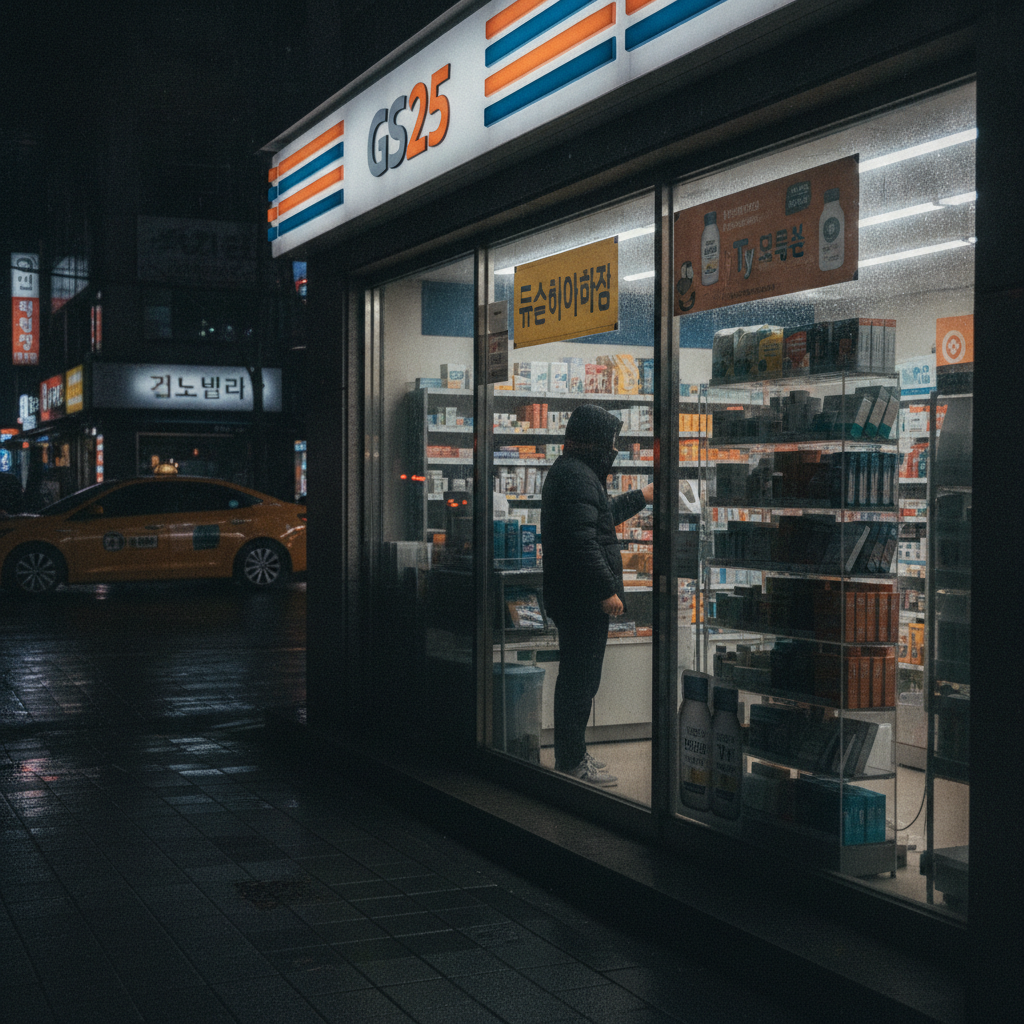
When a sudden fever hits your hotel room in the middle of the night, convenience stores are your first line of defense. South Korea permits designated safety-relief items to be sold around the clock at major chains like GS25, CU, Seven-Eleven, and Emart24. You can easily pick up children’s syrup, Tylenol tablets (500mg or 80mg), and basic liquid cold treatments like *Panpyrin-T* or *Pancol-A*.
* *Why it matters*: Not all drugs are sold over-the-counter freely.
* *Common mistake*: Assuming you can grab heavy-duty multi-symptom cold capsules or antibiotics at a convenience store late at night. For anything stronger, you will have to wait for morning or track down a late-night public pharmacy.
2. Spotting the Green and White “약” Sign

When daytime rolls around and you need proper medication, look out for the distinct single-character sign reading **“약” (Pharmacy)** against a green or white background. Standard pharmacies generally operate from 9 AM to roughly 7 PM or 8 PM on weekdays, closing significantly earlier on Saturdays.
* *Why it matters*: Finding an open pharmacy on a Sunday can turn into a frustrating treasure hunt if you don’t know where to look.
* *Common mistake*: Wandering around empty neighborhood streets on a Sunday without checking online portals like the Korean Pharmaceutical Association’s directory for designated holiday-duty pharmacies (*휴일지킴이약국*).
3. Choosing a Local “Clinic” (의원) Over a Massive University Hospital
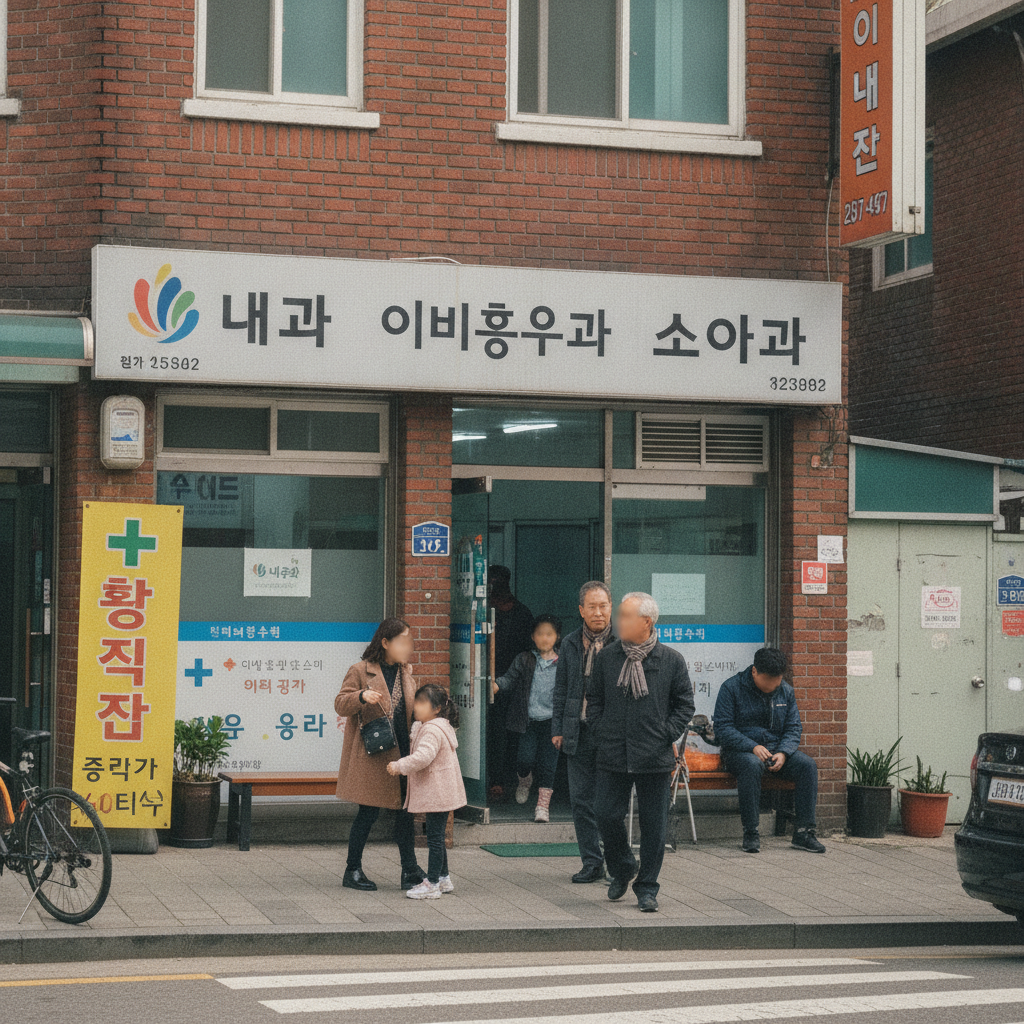
For minor health issues like a raw sore throat, a persistent cough, or a mild case of food poisoning, neighborhood clinics—specializing in internal medicine (*내과*), otolaryngology or ENT (*이비인후과*), or pediatrics (*소아과*)—are remarkably efficient. You can simply walk in, see a doctor within minutes, pay a modest consultation fee, and walk out with a prescription.
* *Why it matters*: It saves both time and money compared to massive medical centers.
* *Common mistake*: Rushing straight to a massive university hospital emergency room for a simple cold, which results in hours of waiting and steep emergency surcharges.
4. Navigating English-Speaking Hospitals in Seoul for Foreigners
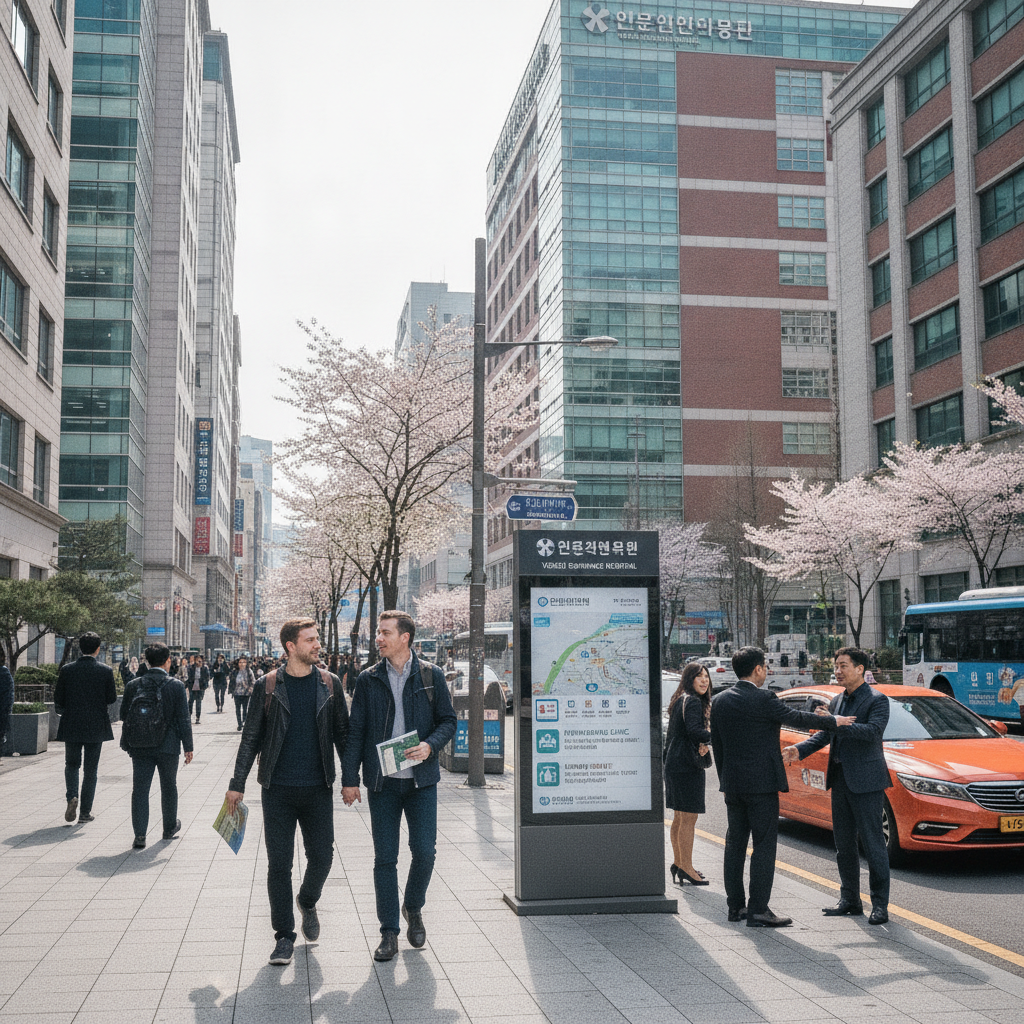
If your condition requires specialized care, or if you simply need the comfort of speaking with medical staff fluent in English to process travel insurance claims, major university hospitals are your best bet. Facilities like Seoul National University Hospital, Yonsei Severance Hospital, and Soonchunhyang University Seoul Hospital operate dedicated International Clinics.
* *Why it matters*: Visiting these specialized centers eliminates the heavy stress of language barriers during vulnerable moments.
* *Common mistake*: Showing up at a random clinic without verifying whether they have English-fluent doctors on duty that day.
5. Always Carrying Your Passport and Travel Insurance Docs
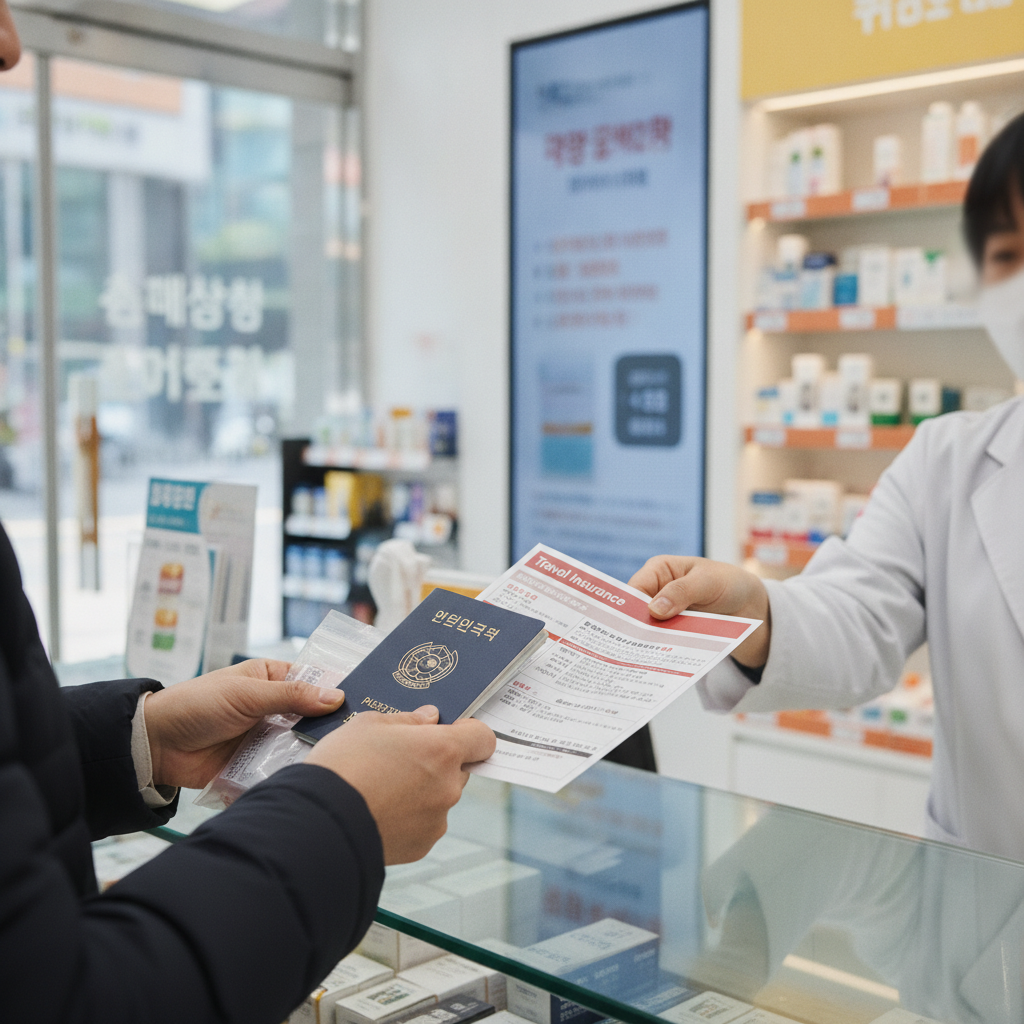
Administrative steps in Korea require proper identification, and medical facilities are no exception. Whether you are registering as a foreign patient at a neighborhood clinic or picking up a complex prescription at the pharmacy counter, officials need to verify your identity.
* *Why it matters*: Clinics and pharmacies legally require official identification for foreign patient registration and insurance receipt issuance.
* *Common mistake*: Leaving your passport locked safely in your hotel room and getting turned away at the reception desk.
6. Utilizing the 119 Emergency and Medical Consultation Services
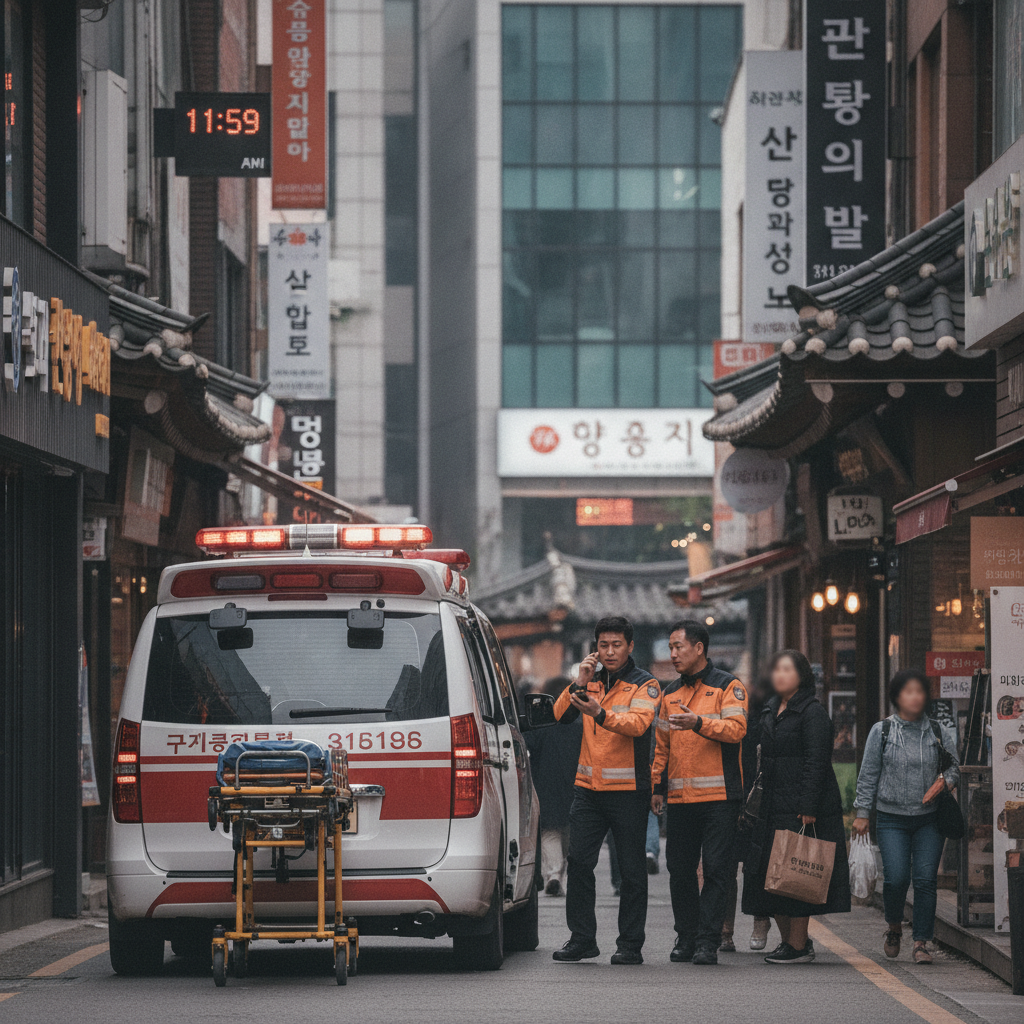
If a worst-case scenario unfolds and you experience a severe medical crisis, do not hesitate. Dial **119** immediately to reach fire, rescue, and ambulance services. For foreign travelers or expats who might struggle with immediate communication, specialized remote medical consultation services are also available via the 24-hour emergency medical hotline at +82-44-320-0119.
* *Why it matters*: Immediate, professional guidance can stabilize an emergency before first responders arrive.
* *Common mistake*: Panicking and calling local police (112) or random helplines instead of the dedicated 119 medical emergency line.
7. Overcoming the Language Barrier with Papago and Symptoms Keywords
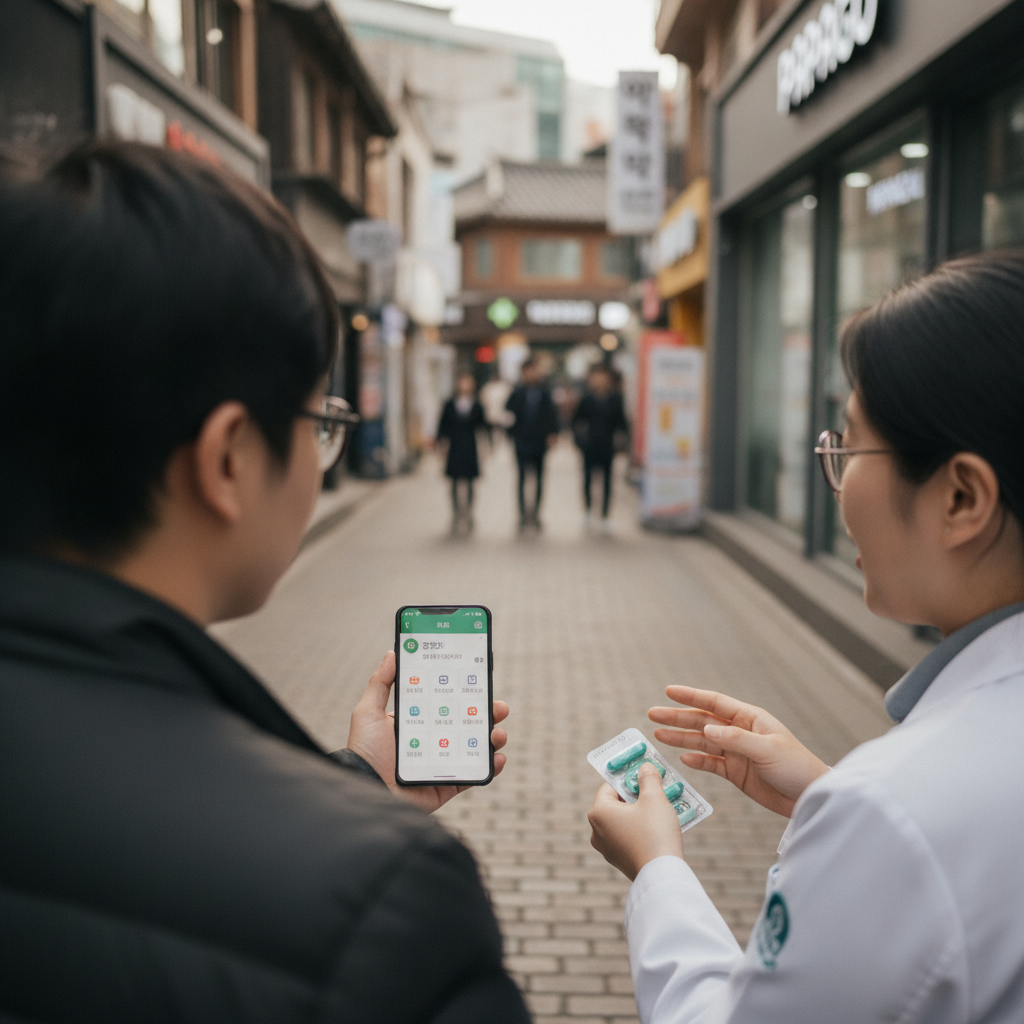
Explaining a throbbing headache or sharp abdominal pain across a language barrier can feel daunting. Pharmacists and doctors in tourist-heavy districts are often helpful, but having your symptoms pre-translated cuts down room for error.
* *Why it matters*: Using apps like Naver Papago with pre-typed medical keywords ensures you get the exact right treatment.
* *Common mistake*: Trying to describe complex symptoms verbally without a translation tool, risking a misunderstanding that leads to the wrong type of medicine being dispensed.
—
### Quick Reference Summary
* **Midnight Cold/Fever**: 24/7 Convenience Store (Tylenol, basic liquid cold meds)
* **Daytime Mild Illness**: Neighborhood Clinic (*의원*) + Local Pharmacy (*약*)
* **English-Friendly Support**: International Clinics at major university hospitals in Seoul
* **Emergency / Ambulance**: Dial 119 (Available 24/7)
—
| Medical Need | Best Place to Go | Operating Hours |
|---|---|---|
| Midnight Fever / Minor Pain | CU, GS25 Convenience Store | 24 Hours |
| Daytime Mild Cold / Stomachache | Neighborhood Clinic (의원) & Pharmacy (약) | Mon–Sat (approx. 9 AM – 7 PM) |
| Specialized / English-Friendly Care | University Hospital International Clinics | Weekday Business Hours (Appointments recommended) |
| Severe Emergency | Emergency Room / Dial 119 | 24/7 |
—
### Friendly Outro
Getting sick while traveling can feel overwhelming, especially when navigating a completely different healthcare system. But with a quick trip to a local pharmacy or neighborhood clinic—and knowing how to buy medicine in Korea as a foreigner—you’ll be back on your feet and exploring Seoul in no time. Stay safe, keep your passport handy, and have a wonderful trip!
spoontogether에서 더 알아보기
구독을 신청하면 최신 게시물을 이메일로 받아볼 수 있습니다.

당신이 좋아할 만한
Mastering Han River Instant Ramen and Picnic Spots in Seoul

Bypass Incheon Airport Queues: The Ultimate Guide to Seoul Station City Airport Terminal